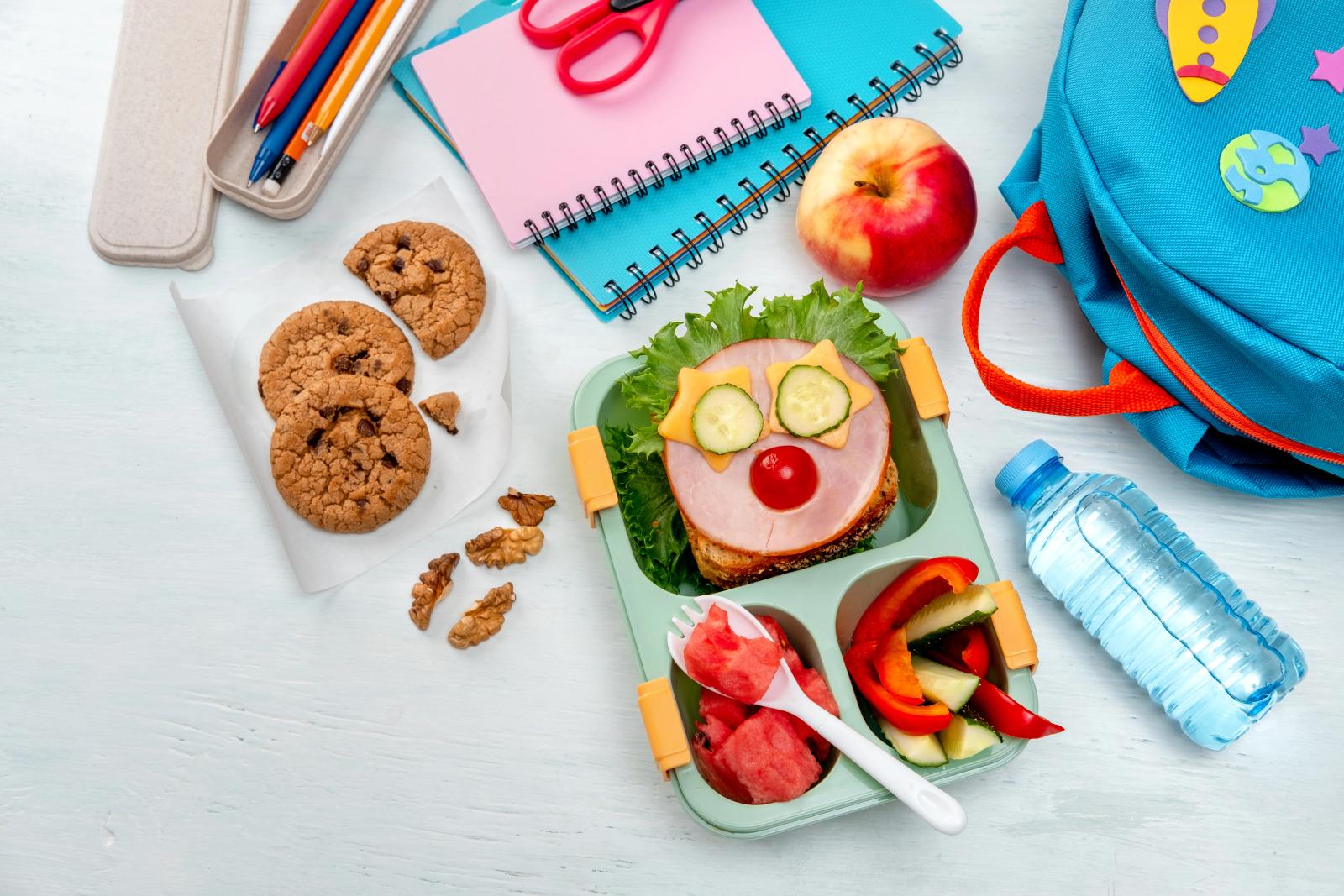
It is 3:30pm. Your child walks in, announces they are starving, eats a handful of crackers, and then asks for something else twenty minutes later.
That is the actual problem with most snack advice. The lists are full of perfectly healthy suggestions that do not hold a child for more than half an hour, and they skip the two questions that decide whether a snack works: will your kid eat it, and can they make it themselves?
So this guide is organized around both. Every snack below is sorted by age and by how much your child can do without you, because a snack a seven year old made alone is worth more than a better one you made for them.
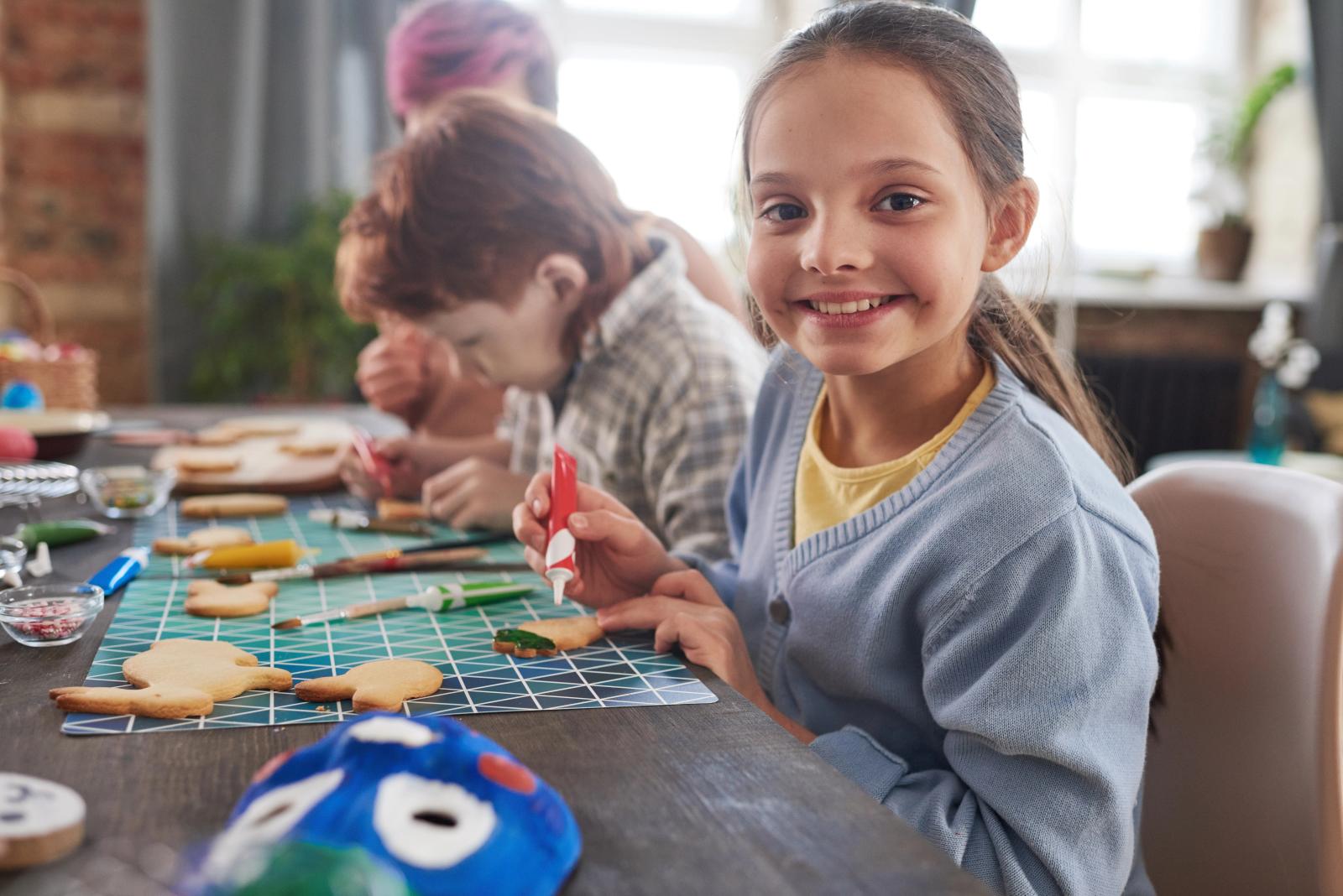
At CocinarTe in Hillsboro we teach children to cook, and the pattern is relentless: kids eat what they made, and they eat a wider range of it.
Healthy Snacks at a Glance
Each snack lists the prep time, the age it suits, and the part no other snack list gives you: whether your child can make it alone.
- Apple slices + nut butter — 2 min, ages 3+. Alone from age 6.
- Yoghurt + berries + granola — 2 min, ages 3+. Alone from age 5.
- Cheese + wholegrain crackers — 1 min, ages 3+. Alone from age 4.
- Hummus + veg sticks — 2 min, ages 3+. Alone from age 5, pre cut.
- Hard boiled egg + fruit — no prep, ages 4+. Alone if boiled in advance.
- Banana + a little chocolate — 2 min, ages 3+. Alone from age 5.
- Frozen grapes — no prep, ages 4+. Alone from age 5. See the safety note below.
- Edamame, warmed — 4 min, ages 4+. Alone from age 8.
- Energy balls, no bake — 15 min, ages 4+. Mostly alone from age 7.
- Yoghurt bark, frozen — 10 min, ages 3+. Mostly alone from age 6.
- Quesadilla, cheese only — 6 min, ages 4+. Alone from age 9.
- Smoothie — 4 min, ages 3+. Alone from age 8.
- Trail mix, self assembled — 3 min, ages 3+. Alone from age 5. See the safety note below.
- Avocado on toast — 4 min, ages 4+. Alone from age 8.
- Roasted chickpeas — 25 min, ages 4+. With help from age 9.
- Popcorn, stovetop — 8 min, ages 5+. With help from age 10. See the safety note below.
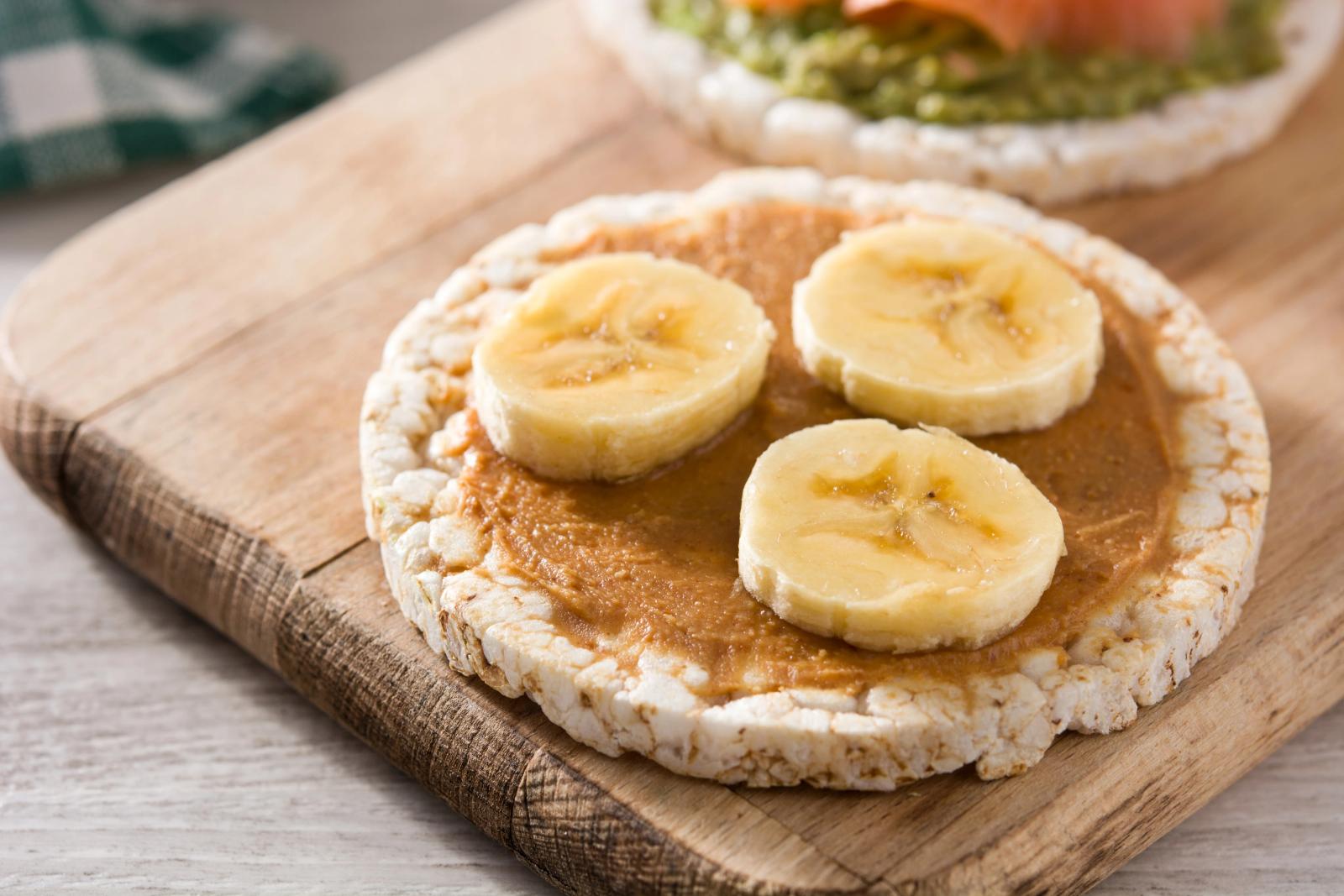
- Rice cake + cream cheese — 2 min, ages 3+. Alone from age 5.
- Bean and cheese roll up — 3 min, ages 4+. Alone from age 7.
Print it. Stick it on the fridge at your child's eye level, not yours. A list a seven year old can read is a list that removes you from the process entirely.
A Note on Choking and Allergies
Three items on that list need a caveat before you hand them to a younger child.
- Grapes. Whole grapes, frozen or not, are a choking risk for young children. Halve them lengthways, and quarter them for toddlers.
- Whole nuts. Generally not recommended under about age four. Nut butter spread thinly is a different thing from whole nuts in a trail mix, so build younger children's mix without them.
- Popcorn. A common choking hazard, usually not recommended before about age four.
As a general rule, young children should sit down to eat rather than snack on the move, with an adult nearby.
On allergies: nut butter appears throughout this guide, and plenty of schools are nut free. Sunflower seed butter and pea butter substitute directly in every suggestion above, so use those if nuts are out.
What Makes a Snack Actually Hold Them
Here is the thing most snack lists get wrong. Fruit alone is healthy and it will not last. Neither will crackers alone, or a rice cake alone.
Pro Tip
Protein + fibre + a little fat
Protein and fat slow digestion. Fibre adds bulk. Carbohydrate alone spikes and drops, which is exactly why the crackers led to another request twenty minutes later.
So instead of thinking about individual foods, pair them:
- Apple (fibre) + nut butter (protein and fat)
- Crackers (carb) + cheese (protein and fat)
- Veg sticks (fibre) + hummus (protein and fat)
- Banana (carb and fibre) + yoghurt (protein)
- Rice cake (carb) + avocado (fat and fibre)
One item is a stopgap. Two items paired is a snack. That single change fixes most of the 4pm cycle without anyone having to eat something they dislike.
Snacks Kids Can Make Themselves, by Age
This is the part that matters, and it is where we actually know something.
Ages 3 to 5, with supervision nearby
At this age the child is doing real work with an adult in the room. Not cooking alone, but genuinely contributing rather than watching. What they can do:
- Wash fruit and vegetables
- Tear lettuce and herbs
- Peel a banana or a mandarin
- Spread soft things with a butter knife or the back of a spoon
- Sprinkle, pour from a small jug, and stir
- Assemble: put crackers and cheese on a plate, build their own trail mix
- Mash a banana or an avocado with a fork
Best snacks for this age: cheese and crackers they assembled, yoghurt with berries they washed, banana they peeled and mashed onto toast, self built trail mix from three bowls you set out.
The trail mix trick is worth stealing. Put three or four options in small bowls, give them a scoop, and let them build. They are counting, choosing, and portioning, and they eat it because it is theirs.
Ages 6 to 8, mostly independent
This is the age where you can genuinely step back. They can read simple instructions, handle a butter knife properly, and use the fridge and toaster with a rule or two. What they can do:
- Everything above, faster
- Use a butter knife or a child safe knife on soft foods: banana, strawberries, cucumber, cheese
- Spread nut butter, hummus, cream cheese properly
- Use a toaster
- Measure with cups and spoons
- Make no bake snacks start to finish: energy balls, yoghurt bark, overnight oats
- Pour their own drinks and clear their own plate
Best snacks for this age: apple slices with nut butter, hummus and pre cut veg, yoghurt parfaits, energy balls, rice cakes with toppings.
Set up a snack shelf. One low shelf in the fridge and one bin in the cupboard, each holding a few approved options. The rule is one from each. You have handed over the decision without handing over the whole kitchen.
Ages 9 to 12, independent including heat
Now they can genuinely cook a snack rather than assemble one, with heat, and with you in the house but not in the room. What they can do:
- Use a real knife, properly taught, on most produce
- Use the microwave and, with a clear rule, the stovetop and oven
- Make a quesadilla, scrambled eggs, warmed edamame, stovetop popcorn
- Use a blender for smoothies
- Read and follow a full recipe
- Roast something in the oven with a timer
- Clean up completely, which is the actual test of independence
Best snacks for this age: quesadillas, smoothies, avocado toast, roasted chickpeas, anything they invent.
At this age the goal shifts. It is no longer whether they can feed themselves, it is whether they can feed themselves something reasonable without being asked. That is a much better outcome and it is entirely achievable by twelve.
After School Snacks That Are Not a Second Lunch
The 3:30pm snack has a specific job: bridge to dinner without replacing it. Aim for something substantial enough to end the grazing and small enough that dinner still happens.
- Apple or pear slices with nut butter
- Hummus with veg and a few pita triangles
- Cheese, wholegrain crackers, and a piece of fruit
- Greek yoghurt with berries
- A quesadilla cut into quarters
- Warmed edamame with a little salt
- A boiled egg and some cucumber
Serve it at the table rather than from the cupboard on the way past. A snack eaten standing up does not register as food and they will be back.
And do not fight the hunger. Children genuinely are ravenous after school, particularly in the first weeks of a new year when they are also processing a new routine all day. That hunger is real, not manipulation.
No Bake and No Cook Options
Ideal for younger children, for hot days, and for when the oven is not happening.
- Energy balls. Oats, nut or seed butter, honey, and any add in. Roll into balls, chill. A six year old can make these almost unaided and they keep a week.
- Yoghurt bark. Spread yoghurt on a lined tray, scatter fruit, freeze, break into pieces.
- Overnight oats. Oats, milk or yoghurt, a little fruit, in a jar, in the fridge. Assembled the night before by the child.
- Frozen grapes or banana coins. Zero prep, and remarkably effective in summer.
- Chia pudding. Chia, milk, a little sweetener, overnight.
- Self assembled snack plate. Not a recipe, but it is what most children actually want.
Snack Prep: Twenty Minutes on Sunday
Twenty minutes removes most weekday snack decisions.
- Wash and cut produce, and store it visible and ready to grab
- Boil half a dozen eggs
- Make one batch of energy balls
- Portion crackers, trail mix, or popcorn into five sets
- Restock the snack shelf and the fridge bin
Do it with your child. This is exactly the kind of prep work that makes a good beginner cooking session: washing, tearing, portioning, counting, and measuring. A seven year old can run most of that list.
When Healthy Is Not the Point
Worth saying plainly, because most snack articles will not.
Sometimes the win is that they ate something. Sometimes the win is that they made it. A slightly sugary thing your child prepared themselves is doing more good than a perfect thing they refused, because the habit you are actually building is competence and willingness, not nutritional purity on a Tuesday afternoon.
There is also a longer game. Children who cook eat a wider range of food. They are more willing to try things, less suspicious of unfamiliar textures, and more likely to eat vegetables they had a hand in preparing. We watch this happen with picky eaters in our classes constantly, and it is far more durable than any strategy for getting a specific vegetable into a specific child on a specific day.
So if you have to choose between a healthier snack and a snack they made, choose the one they made. The nutrition follows the competence, not the other way round.
Frequently Asked Questions
What are healthy snacks for kids?
The most effective healthy snacks pair protein and a little fat with fibre, since carbohydrate alone leads to another request within half an hour. Reliable combinations include apple slices with nut butter, cheese with wholegrain crackers, hummus with vegetable sticks, yoghurt with berries, and a boiled egg with fruit. Two paired items is a snack; one item alone is a stopgap.
What are good after school snacks?
Choose something substantial enough to end the grazing but small enough that dinner still happens: apple slices with nut butter, hummus with veg and pita, cheese and crackers with fruit, Greek yoghurt with berries, a quartered quesadilla, or warmed edamame. Serve it at the table rather than from the cupboard, because a snack eaten standing up does not register and they will be back in twenty minutes.
What snacks can a child make by themselves?
It depends on age. From about 4 or 5, children can assemble cheese and crackers, yoghurt with fruit, and their own trail mix. From 6 to 8 they can use a butter knife and a toaster and make no bake snacks like energy balls and yoghurt bark start to finish. From 9 to 12, with heat and a real knife properly taught, they can make quesadillas, smoothies, avocado toast, and roasted chickpeas. Setting up a snack shelf with approved options is what makes independence practical.
How many snacks should a child have a day?
Most school aged children do well with one or two snacks a day, typically mid morning and after school, spaced far enough from meals that they arrive hungry for them. Younger children with smaller stomachs often need more frequent eating. The more useful question is usually what is in the snack rather than how many, since a properly paired snack removes the constant grazing that makes the count feel high.
Want Them Making More Than Snacks?
Everything above is the on ramp. Children who can make their own snack are usually itching to make more.
CocinarTe runs hands on cooking and baking classes in Hillsboro, Oregon for ages 3 through teens: parent and child sessions, kids only classes, and workshops for teens and adults. Latin flavors, small groups, real knives and real ovens, and a meal they made themselves at the end. See classes and camps or get in touch.
CocinarTe PDX
Kids Cooking School • Hillsboro, Oregon
CocinarTe is a kids cooking school and family experience studio in Hillsboro, Oregon. Through hands-on classes, birthday parties, and cultural cooking experiences rooted in Latin American cuisine, CocinarTe teaches children and families that the kitchen is the best classroom in the house.