The problem is not that you have run out of ideas. The problem is the lunchbox that comes home still full.
You can find a thousand school lunch lists online. Almost none of them address the only question that matters, which is whether your specific child will actually eat the thing. So this guide is organized around that: what works, why it works, and the one change that does more than any recipe, which is letting your child pack it themselves.
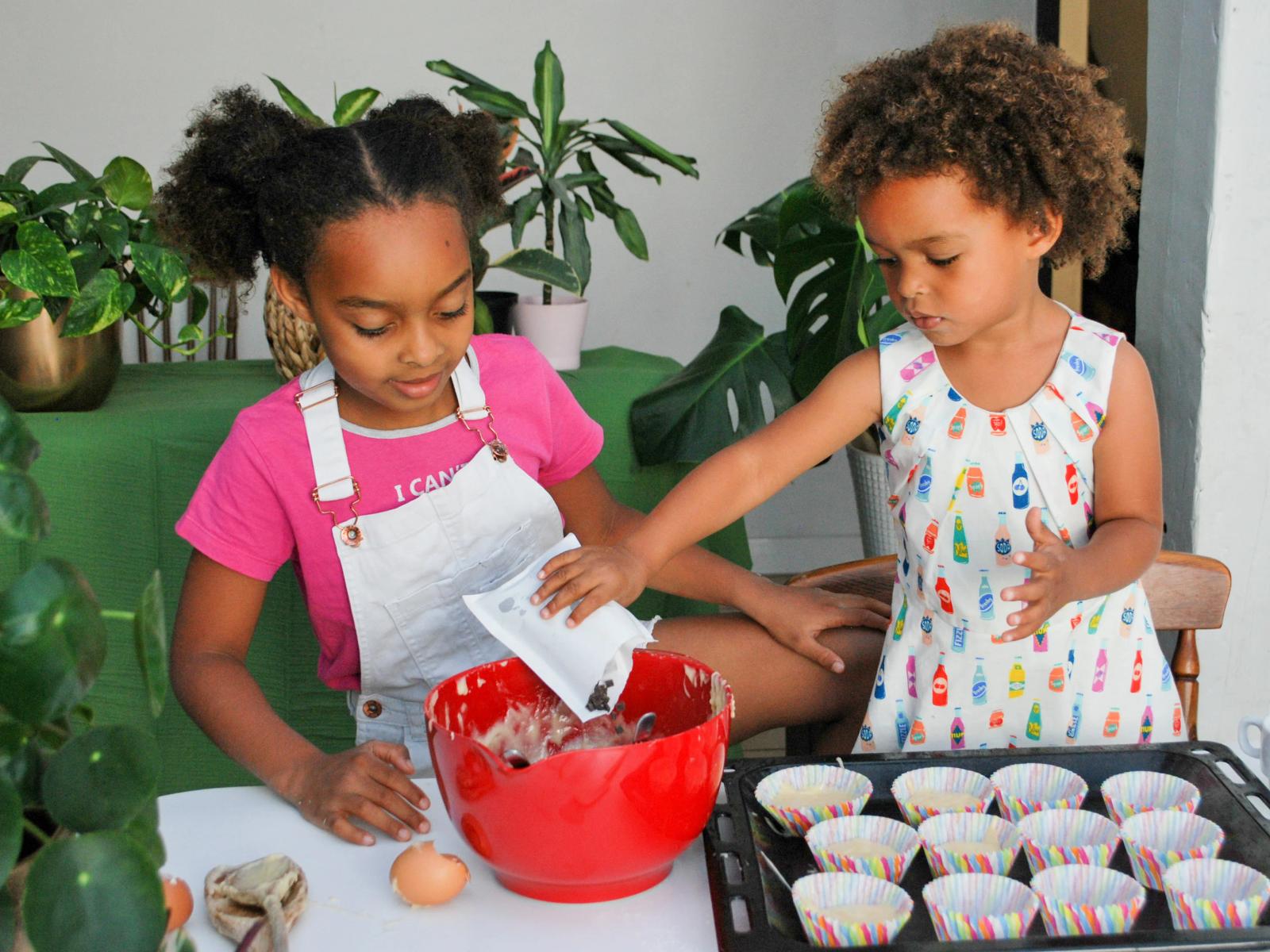
At CocinarTe in Hillsboro, we teach children to cook, and the pattern we see every single week is simple. Kids eat what they made. It is not complicated and it is not a coincidence.
School Lunch Ideas at a Glance
Organized by the time you actually have, not by how photogenic the result is. Each one is a complete lunch, not an ingredient.
5 minutes, assembly only
- Turkey and cheese roll ups, cucumber slices, grapes, pretzels
- Hummus, pita triangles, carrot sticks, cheese cubes, an apple
- Cheese quesadilla made the night before and eaten cold, salsa, corn, orange
- Yoghurt, granola in a separate pot, berries, a hard boiled egg
- Bagel with cream cheese, snap peas, mandarin, a handful of almonds
- Leftover pasta with butter and parmesan, cherry tomatoes, a clementine
10 minutes, a little cooking
- Mini bean and cheese burritos, salsa, jicama sticks, watermelon
- Pinwheel sandwiches: tortilla, cream cheese, turkey, rolled and sliced
- Egg salad in a small pot, crackers, sugar snap peas, strawberries
- Pasta salad with cheese, peas and vinaigrette, plus a plum
- Chicken and rice bowl from last night's dinner, cucumber, pineapple
- Homemade lunchable: crackers, sliced cheese, sliced meat, fruit, olives
Make ahead, Sunday for the week
- Muffin tin egg cups: make 12, they last four days
- Baked empanadas, frozen and thawed overnight
- Pasta salad base, portioned into five containers
- Overnight oats in jars
- Rice and bean bowls, portioned and topped fresh each morning
- Banana or zucchini bread, sliced and frozen individually
Print this and stick it inside a cupboard door. Most lunch decisions are made at 7:10am by someone who has not had coffee, and a list on the wall beats a list on a phone.
The Formula That Works Better Than a Recipe
Once you have this, you stop needing lists at all.
Pro Tip
Protein + carb + produce + something fun
- Protein. Eggs, beans, cheese, yoghurt, chicken, turkey, hummus, nut or seed butter, edamame.
- Carb. Bread, tortilla, pasta, rice, crackers, pita, bagel.
- Produce. Whatever they will actually eat, raw, and cut small.
- Something fun. A couple of pretzels, two chocolate chips, a note, a cookie cutter shape.
Four slots. Fill them with what is in the fridge. That is the entire system.
The something fun slot is not padding. A lunch with nothing enjoyable in it gets traded, ignored, or thrown away, and then your child is hungry at 2pm and miserable. One small delightful thing buys you compliance on the other three slots, and that is a trade worth making every day.
Two more rules from watching a lot of children eat:
- Cut it smaller than you think. A whole apple comes home with two bites out of it. Apple slices come home gone. Lunch is twenty minutes and half of that is talking.
- Test every container. A child who cannot open their own yoghurt does not eat their yoghurt, and they will not ask for help. Have them open everything at home first. This one sounds trivial and is the most common cause of an uneaten lunch we hear about.
No Heat Lunches That Are Not Sandwiches
Most elementary schools have no way to heat food, and most children get bored of sandwiches by October.
- Pinwheels. Tortilla, spread, filling, roll tight, slice into rounds. They look completely different from a sandwich despite being one.
- Deconstructed lunches. The same components, not assembled. Crackers, cheese, meat, fruit, olives. Children love controlling assembly.
- Cold pasta. Genuinely good cold with butter and parmesan or a vinaigrette.
- Quesadillas eaten cold. Better than you expect, and a reliable win.
- Rice bowls. Rice, beans, corn, cheese, a little salsa on the side.
- Breakfast for lunch. Overnight oats, a boiled egg, fruit, a muffin.
- Salad in a jar. Dressing on the bottom, greens on top, shaken at the table.
Bento Style Lunches for Younger Kids
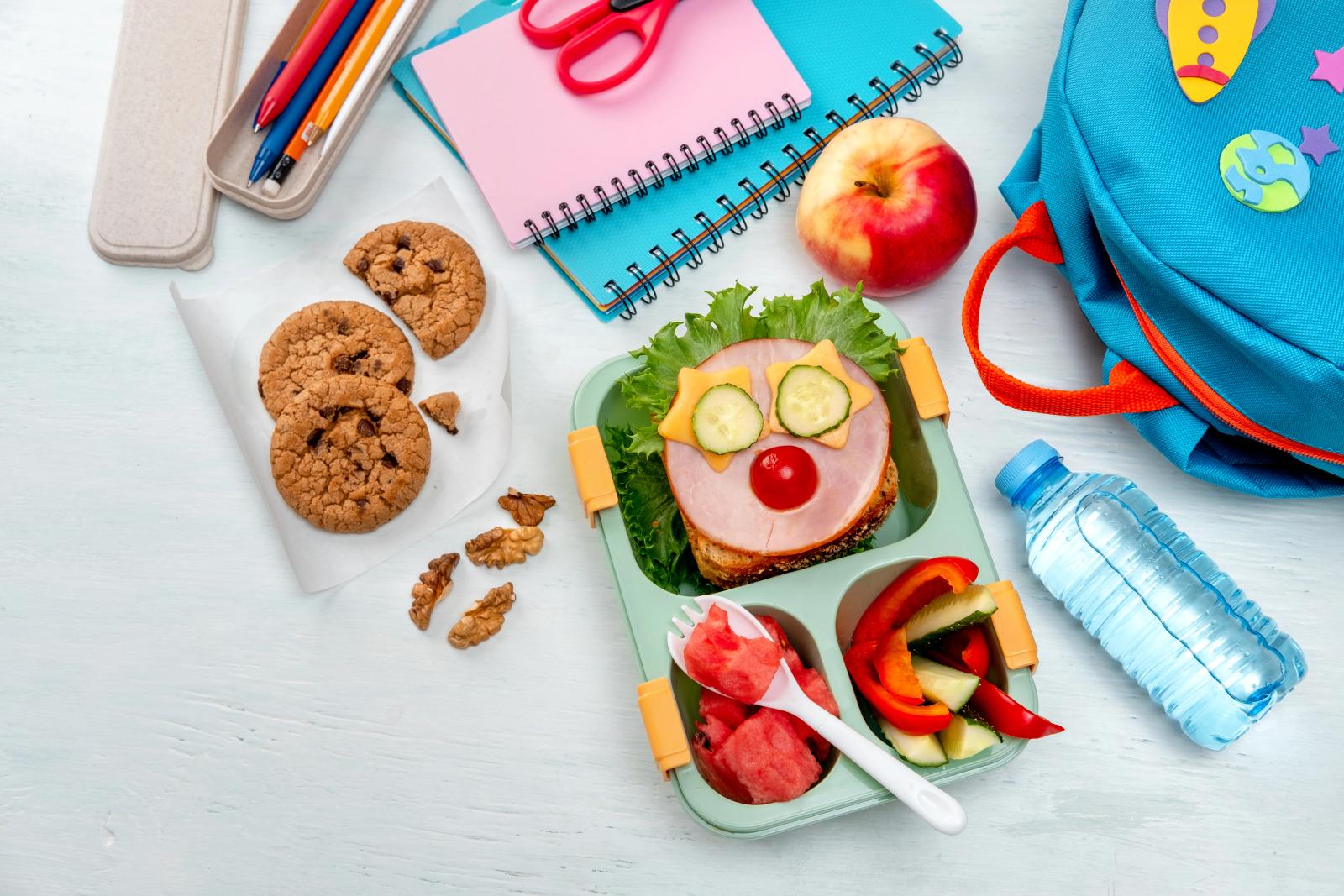
For children roughly 4 to 8, compartments do a surprising amount of work. Food that does not touch is food that gets eaten, and a divided box removes the whole category of complaint.
- Aim for five or six small things rather than two big things
- Fill every compartment, even with something tiny. Empty space reads as not enough
- Use one silicone cup for anything wet
- Cookie cutters on sandwiches and cheese cost thirty seconds and buy real goodwill in the younger years
- Let colour do the appeal. Three colours in a box looks like a meal
You do not need an expensive bento box. Any container with dividers works, and a muffin tin is a perfectly good template for planning one at home.
Lunches for Picky Eaters
Short version: reduce the number of decisions and increase the number of safe foods.
- Always include at least two things you are confident they will eat. A lunch that is entirely new is a lunch that comes home
- Introduce one new item at a time, in a small quantity, next to the safe foods
- Do not remove a rejected food from rotation permanently. Offer it again in a few weeks with no comment
- Keep textures separate. Texture is often the real objection, not flavour
- Let them see the food before it goes in the box
The longer term fix is not a lunch strategy at all, it is getting them cooking. Children who prepare food are dramatically more willing to eat it, including things they have refused for years. That is the most consistent thing we see in our classes, and it works at home just as well as it works in a studio.
Make Ahead: One Hour on Sunday
An hour on Sunday removes five weekday decisions.
- Boil a dozen eggs
- Cook a pot of rice and a pot of pasta
- Bake one tray of something: egg cups, muffins, a quick bread
- Wash and cut all the produce for the week, and store it ready to grab
- Portion snacks into five sets
- Make a pasta salad or rice bowl base and split it into containers
Do it with your child. Prep work is genuinely good beginner cooking: washing, tearing, portioning, and counting are all real skills, and a seven year old can run most of that list with light supervision.
Let Them Pack It Themselves
This is the section that matters most, and it is the one most lunch guides skip.
Children eat what they chose and built. A lunch a child assembled themselves comes home substantially emptier than the identical lunch you assembled for them. The food is the same. The ownership is not.
Here is what is realistic by age.
- Age 4 to 5. Chooses between two options you offer. Puts pre cut items into compartments. Fills the water bottle.
- Age 6 to 8. Assembles from a lunch station you have stocked: a shelf or bin with approved options in each of the four slots. Spreads, wraps, and closes containers themselves.
- Age 9 to 11. Plans and packs the whole lunch with a checklist. Can cut soft produce, use a butter knife properly, and portion from bulk. Should be doing this most days.
- Age 12 and up. Packs independently, including cooking a component. Can take responsibility for their own lunch entirely.
Set up the lunch station once and the whole thing gets easier. A low shelf in the fridge and a bin in the cupboard, each holding a few approved options per category, and the rule is one from each slot. You have delegated the decision without losing control of the ingredients.
Packing a lunch is a real cooking skill. It involves planning, portioning, balancing a meal, and thinking about what you will want in five hours. Those are the same skills we teach in class, applied to a task that happens every single day.
Allergy Aware Lunches
- Know your school's policy. Many elementary schools are nut free, and some classrooms are stricter than the school
- Sunflower seed butter and pea butter are the usual swaps for peanut butter
- Label anything homemade you send for sharing, with a full ingredient list
- For dairy free, hummus, beans, and edamame do a lot of protein work
- Teach your child not to share food, which is a hard rule socially but the one that matters
If your child has an allergy, the container conversation matters even more. Anything they cannot open alone becomes something an adult handles at a busy lunch table.
Frequently Asked Questions
What are good school lunch ideas for kids?
The most reliable approach is a formula rather than a recipe: a protein, a carb, a produce item, and one small enjoyable thing. Good no heat options include tortilla pinwheels, cold pasta, deconstructed cracker and cheese lunches, rice and bean bowls, cold quesadillas, and breakfast items like overnight oats with a boiled egg. Cut everything smaller than feels necessary.
What can I pack for lunch that is not a sandwich?
Pinwheels made from a rolled and sliced tortilla, cold pasta with butter and parmesan, a deconstructed lunch of crackers, cheese and meat, rice bowls with beans and corn, cold quesadillas, muffin tin egg cups, salad shaken in a jar, or breakfast for lunch. Cold quesadillas and cold pasta are the two that most surprise parents by working.
How do I get my child to eat their school lunch?
Three things move the needle most. Let them pack it themselves, because children eat what they chose and built. Cut everything smaller, since lunch is short and sociable. And check they can physically open every container without help, which is a much more common cause of uneaten lunches than fussiness. Always include at least two foods you know they like.
What age can a child pack their own lunch?
A four or five year old can choose between options and fill compartments. By six to eight, most children can assemble a full lunch from a stocked lunch station. By nine to eleven, a child can plan and pack independently with a checklist, and by twelve they can take it over entirely, including cooking a component. Setting up a lunch station with approved options in each category is what makes this work.
Want Them Doing More Than Packing?
Children who cook eat better, complain less, and try more. That is the whole reason our studio exists.
CocinarTe runs hands on cooking and baking classes in Hillsboro, Oregon for ages 3 through teens, including parent and child sessions and kids only classes. Latin flavors, real knives, real ovens, and a meal they made themselves at the end. See classes and camps or get in touch.
CocinarTe PDX
Kids Cooking School • Hillsboro, Oregon
CocinarTe is a kids cooking school and family experience studio in Hillsboro, Oregon. Through hands-on classes, birthday parties, and cultural cooking experiences rooted in Latin American cuisine, CocinarTe teaches children and families that the kitchen is the best classroom in the house.